
External Doors
-
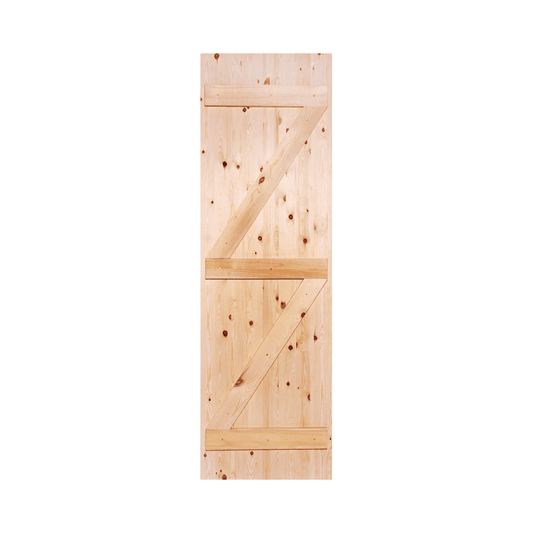
LPD L&B (38mm) Redwood External Door RLB
Regular price From £86.79Regular price£101.60Sale price From £86.79Save £14.81
Sale -
LPD Hardwood Lipped Blanks FD30 (44mm) External Door DBMAH
Regular price From £96.31Regular price£110.05Sale price From £96.31Save £13.74
Sale -
LPD External Hardwood Door Frame & Cill DFC
Regular price From £109.15Regular price -
LPD FL&B (44mm) Redwood External Door RFLB
Regular price From £111.58Regular price£130.65Sale price From £111.58Save £19.07
Sale -
LPD 2XG Redwood External Door R2XG
Regular price From £111.58Regular price£130.65Sale price From £111.58Save £19.07
Sale -
LPD Hardwood Unlipped Blanks FD30 (44mm) External Door DBMAHUL
Regular price From £139.62Regular price£159.55Sale price From £139.62Save £19.93
Sale -
LPD Malton Dowel Unglazed Hardwood External Door MAL3
Regular price £146.35Sale price £146.35Save £28.85
Sale -
LPD Pattern 10 Hemlock Unglazed External Door HP1044
Regular price From £146.93Regular price£167.90Sale price From £146.93Save £20.97
Sale -
LPD 2XGG Hemlock Unglazed External Door H2XGG44
Regular price From £164.32Regular price -
LPD 2XGG Unglazed Hardwood External Door MTXGG
Regular price £170.03Regular price -
LPD 2XG Hemlock External Door H2XG44
Regular price From £172.10Regular price -
LPD Stable 9 Light Unglazed Hardwood External Door STA3
Regular price £182.00Regular price -
LPD Georgia Unglazed Hardwood External Door GEO3
Regular price £188.89Regular price -
LPD Carolina 6 Panel Hardwood External Door CAR3
Regular price £193.08Regular price£201.45Sale price £193.08Save £8.37
Sale -
LPD Richmond Unglazed Hardwood External Door MTRIC
Regular price £193.08Regular price -
LPD Colonial Dowel 6 Panel Hardwood External Door COL3
Regular price From £194.99Regular price£203.50Sale price From £194.99Save £8.51
Sale -
LPD Windsor Unglazed Hardwood External Door MTWIN
Regular price £198.38Regular price -
LPD Warwick Unglazed Hardwood External Door MTWAR
Regular price From £198.38Regular price -
LPD DX30 Style Hardwood External Door MTDX
Regular price From £207.79Regular price -
LPD Colonial 4 Panel Hardwood External Door MTCOL4P
Regular price From £214.06Regular price£223.35Sale price From £214.06Save £9.29
Sale -
LPD Colonial 6 Panel M&T Hardwood External Door MTCOL
Regular price From £214.06Regular price£223.35Sale price From £214.06Save £9.29
Sale -
LPD Carolina 4 Panel Unglazed Hardwood External Door MTCAR
Regular price From £214.06Regular price -
LPD Elizabethan Unglazed Hardwood External Door LIZ3
Regular price £217.21Regular price -
LPD 2XG 2 Panel M&T Unglazed Hardwood External Door MTXG
Regular price From £217.21Regular price





About this range
- From
- £86.79
- Products
- 96
- Materials
- Hardwood, Oak, Composite
- Glazing
- Glazed, Unglazed
- Brands
- LPD, BCD, Doors2Floors
An external door has three jobs an internal door never faces. It has to keep weather out, it has to resist forced entry, and it has to hold its shape through a British winter without swelling or dropping. That is why the doors here are built from denser timber, run at 44mm thick rather than 35mm, and in the case of composites are built around an insulated core rather than a timber frame.
What is in this collection
There are more than 90 products in this range, almost all of them doors, supplied by LPD, BCD and our own Doors2Floors label. Around a third are glazed, roughly twenty are solid unglazed designs, and eighteen are composite. Prices start at £86.79 for a plain redwood ledged and braced door and run past £1,100 for the largest glazed hardwood designs. Matching frames, side panels and door pairs are listed alongside the doors so a full opening can be ordered in one go.
Timber or composite
Timber external doors
The timber range is mostly hardwood, with a smaller number of hemlock and redwood designs. Hardwood gives the best balance of stability, weight and finish, and it takes stain or paint equally well. Hemlock is lighter and straighter grained, which suits a painted finish. Redwood is the budget option and is normally specified for outbuildings, side gates and garden rooms rather than a front entrance. Every timber door needs finishing on all six faces, including the top and bottom edges, before it is hung. Leaving the edges bare is the single most common cause of a swollen door, as this guide to swollen and sticking doors explains.
Composite external doors
Composite doors arrive as a finished unit in a factory colour, with Anthracite, Grey, Slate, White and Black the usual choices. They do not need painting, they do not swell, and the insulated core gives a better thermal result than solid timber of the same thickness. The trade off is that a composite cannot be trimmed to fit an awkward opening in the way a timber door can, so the opening has to be measured properly first. The full list sits in composite external doors, and the grey composite door guide covers the most popular finish.
Glazed or solid
Glazing is the difference between a bright hall and a dark one. A single vision panel or a two pane glazed door transforms a north facing entrance, and toughened or laminated glass is standard on external designs. The compromise is privacy and heat loss, so frosted and obscure options exist where the door opens straight into a living space. If light is the priority, see glazed external doors. Where the opening is wider than a single leaf, a side panel for an external door fills the gap in a matching finish, and doors with side lights lists the ready matched sets.
Door styles
Four families cover most British houses. Panel doors, in four and six panel arrangements, suit Victorian and Edwardian frontages. Cottage doors, with plank faces and heavier ledges, belong on older stone and brick properties and on garden rooms. Stable doors split horizontally so the top half opens independently, which is why they end up on kitchens, utility rooms and back doors, and the stable doors guide covers how they are hung. Colonial designs use a taller, narrower panel arrangement that reads well on interwar semis.
Sizes and thickness
External doors are almost always 44mm thick against 35mm for a standard internal leaf. The extra depth carries the weather seal, the mortice lock and the weight of any glazing. Imperial sizes dominate: 1981 x 686mm (78 x 27 inches), 1981 x 762mm (78 x 30), 1981 x 838mm (78 x 33) and 1981 x 915mm (78 x 36), with metric 2032 x 813mm (80 x 32) and the taller 2082 x 864mm (82 x 34) also stocked. Pairs run to 1981 x 1168mm overall. Our door size guide lists the standard sizes and how to measure a door walks through checking an existing opening.
Trimming allowance is limited. A timber door can usually lose a few millimetres from each stile and rail, but the lock block and the glazing bead set the limit, so check the allowance before ordering a door that has to be cut down. A composite door cannot be trimmed at all.
Frames, thresholds and ironmongery
A new door in a tired frame rarely performs. If the frame is soft at the foot, or the threshold is worn flat, the seal will fail however good the door is. Matching external frames are stocked for that reason. Locks, letter plates, knockers and lever handles come from door hardware, and a 44mm external leaf needs hinges rated for the weight, so see door hinges.
Fire rated external doors
A small number of doors in this range carry an FD30 rating, which matters where a door connects an integral garage or a shared entrance to a dwelling. Where a rating is required, the door, the frame, the intumescent seals and the ironmongery all have to be correct together. Our fire door guide sets out what that involves and the wider rated range sits in fire doors.
Energy performance and regulations
Replacement external doors are covered by building regulations, and a composite or insulated door will comfortably outperform a solid timber leaf on U value. The U values door guide explains what the figures mean and how much of the heat loss in a house the front door is actually responsible for.
Common questions
Which is better, timber or composite?
Composite for maintenance and thermal performance. Timber for period accuracy, for openings that are not square, and where the leaf has to be trimmed to fit.
Do external doors come pre finished?
Composites do. Timber doors are supplied unfinished or primed and must be sealed on all six edges before they are hung.
Can an external door be used internally?
Yes, but it is heavier and thicker, so the frame, the hinges and the lining all have to suit a 44mm leaf.
How are full door sets delivered?
Doors, frames and side panels travel on a pallet. See delivery for lead times and installation information for hanging and sealing.
What warranty applies?
Terms differ between timber and composite construction, and both are set out in warranty information.
Fast delivery
Nationwide delivery, next-day available
Secure payment
Safe and encrypted checkout
Payment options
PayPal, cards and more
VAT included
Only delivery is added at checkout