
FD30 Fire Doors
-
LPD White Primed Flush Internal Fire Door WPFD
Regular price From £87.39Regular price -
LPD Textured 4 Panel White Internal Fire Door FCTEX4P
Regular price £94.50Regular price -
LPD Smooth Cottage White Primed Internal FD0 Fire Door SMOCOTFC
Regular price £94.50Regular price -
Deanta Flush White Primed Fire Door FD30 45FLFDWH
Regular price From £110.00Regular price£132.00Sale price From £110.00Save £22.00
Sale -
LPD Sydney Light Grey Fully Finished Internal Laminated Fire Door LAMLGRSYDFC
Regular price £118.50Regular price -
LPD Ladder Light Grey Fully Finished Internal Laminated Fire Door LAMLGRLADFC
Regular price £118.50Regular price -
LPD Ladder White Fully Finished Laminated Internal Fire Door LAMWHILADFC
Regular price £118.50Regular price -
LPD Sydney Fully Finished Laminated White Internal Fire Door LAMWHISYDFC
Regular price £123.50Regular price -
LPD Carini Unfinished Internal Oak Fire Door OCARFC
Regular price From £124.50Regular price -
Deanta Flush Fully Finished Ash 6mm Lipping 35FLASX
Regular price From £125.25Regular price£150.30Sale price From £125.25Save £25.05
Sale -
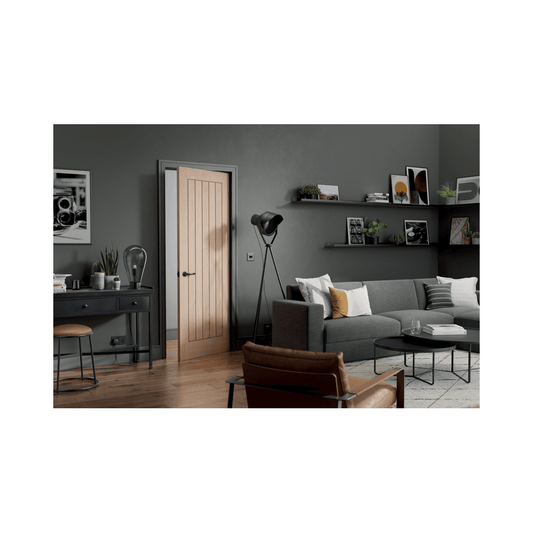
LPD Oak Flush Fully Finished Internal Fire Door FLUOAKFD
Regular price From £127.60Regular price -
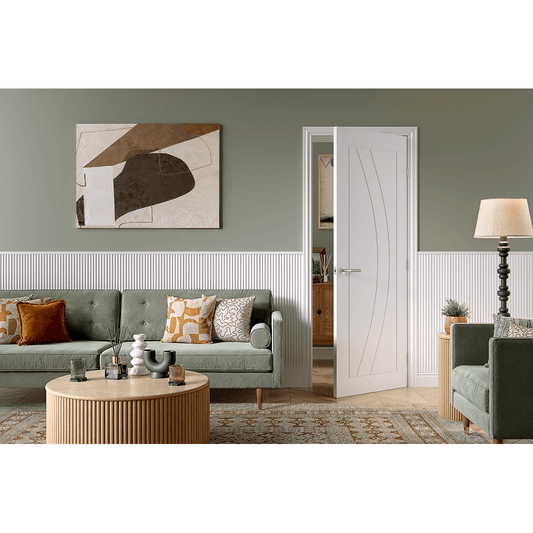
Deanta Ravello White Primed Internal Door 40RAVWHP
Regular price From £130.50Regular price£153.00Sale price From £130.50Save £22.50
Sale -
Deanta Flush Fully Finished Oak FD30 6mm Lipping Fire Door 45FLFDX
Regular price From £134.75Regular price£161.70Sale price From £134.75Save £26.95
Sale -
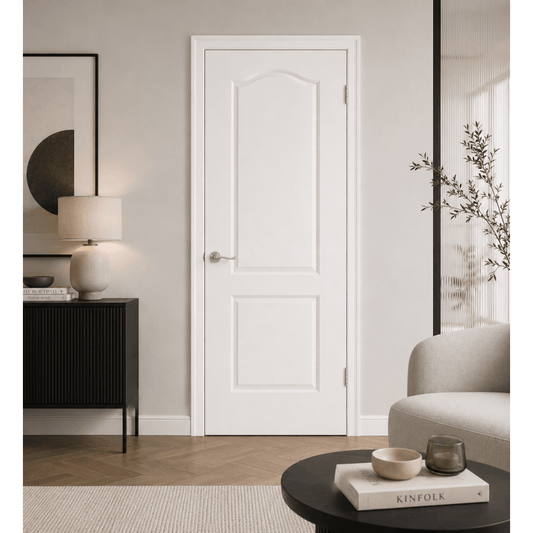
LPD Textured Classical 2 Panel Internal White Fire Door FCCLA2P
Regular price £135.29Regular price -
Mendes Veneer Flush Internal Oak Fully Finished Fire Door DFOAUFD30
Regular price £140.00Regular price£158.50Sale price £140.00Save £18.50
Sale -
LPD Textured Vertical 5 Panel Internal White Primed Fire Door FCTEXV5P
Regular price From £140.65Regular price -
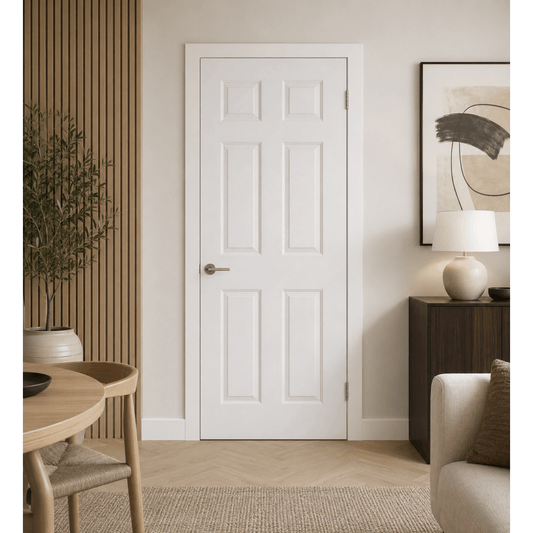
LPD Textured 6 Panel White Internal Fire Door FCTEX6P
Regular price £140.65Regular price -
LPD Smooth 6 Panel White Internal Fire Door FCSMO6P
Regular price £140.80Regular price -
LPD Girona White Primed Internal FD30 Fire Door GIRWPFC
Regular price £141.75Regular price -
LPD Belize Unfinished Internal Oak Fire Door OBELFC
Regular price From £142.50Regular price -
Deanta Flush Fully Finished Ash FD30 6mm Lipping Fire Door 45FLFDAX
Regular price From £147.00Regular price£176.40Sale price From £147.00Save £29.40
Sale -
LPD Vancouver Primed White Internal Fire Door WFVANFC
Regular price From £148.50Regular price -
LPD Carini Fully finished Internal Oak Fire Door OCARPFFC
Regular price From £149.25Regular price -
LPD Girona Unfinished Internal Oak FD30 Fire Door GIROAKUFFC
Regular price £149.27Regular price





















About this range
- From
- £87.39
- Products
- 157
- Materials
- Oak, White primed, Walnut, Laminate
- Finishes
- Fully finished, Primed, Unfinished, Pre-finished
- Glazing
- Unglazed, Glazed
- Brands
- Deanta, LPD, Mendes, Doors2Floors
An FD30 door is certified to resist fire for 30 minutes when hung as part of a complete, tested assembly. It is the rating Building Regulations most often call for in domestic work, and it is the largest fire door group we stock, with more than 150 doors from Deanta, LPD, Mendes and our own Doors2Floors label, from £87.39 to £1,300.
Where FD30 is normally specified
The common domestic cases are the door between a house and an integral garage, doors from habitable rooms opening onto a protected stairway in a three storey home or after a loft conversion, and doors throughout flats, houses in multiple occupation and rented property. Corridor and flat entrance doors are usually specified as FD30S, which adds smoke seals to the intumescent strips.
Requirements differ across the UK nations and depend on the specific building, its use and its escape routes. Treat this page as orientation rather than a specification, and have building control or a competent fire safety professional confirm what your property needs before you order. Fire doors, what, why and where explains the reasoning and our fire door guide covers the detail.
Thickness and why it matters
An FD30 leaf is 44mm thick against 35mm for a standard internal door. That extra 9mm is not cosmetic. It carries the denser core that provides the fire resistance, it gives the intumescent strips somewhere to sit, and it gives the lock and hinges enough material to hold. The practical consequence is that an FD30 door will not go into an existing 35mm lining. The lining has to be deep enough for the leaf, which is why a fire door upgrade is usually a frame job as well as a door job. See internal frames.
The complete assembly
A rating belongs to the whole doorset, not to the leaf. Every one of the following has to be right or the certification means nothing in practice.
The certified leaf, with its label or plug intact, normally on the top or hanging edge. A lining or frame deep enough for a 44mm leaf. Intumescent strips, plus smoke seals where an S rating applies, from intumescent strips and pads. Three hinges rather than two, and they must be fire rated, from fire rated hinges. A latch or lock suitable for the assembly, with intumescent pads behind the ironmongery. And a self closer where one is required, from door closers. Gaps matter as much as components: a nominal 3mm gap around the leaf is the usual target, and a large threshold gap will pass smoke even when everything else is perfect.
Trimming allowance
This is where self managed jobs go wrong most often. An FD30 door carries a small, specific trimming tolerance set by the manufacturer, and cutting past it voids the certification. If the opening needs more than the allowance, the answer is a different size door or a rebuilt lining, not a bolder saw cut. Check the allowance on the individual product page before ordering, and see how to measure a door and our door size guide.
Finishes and glazing
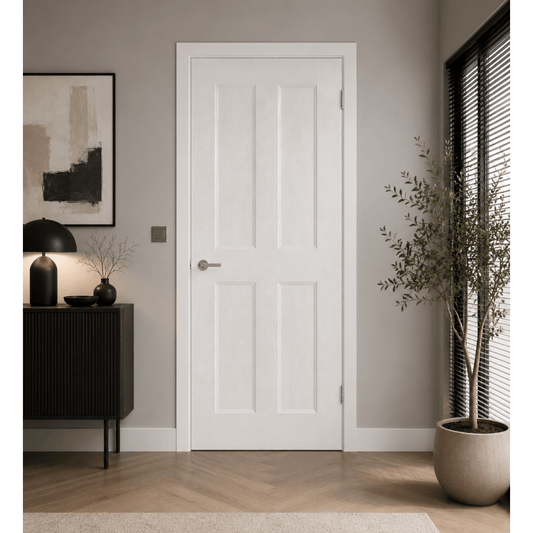
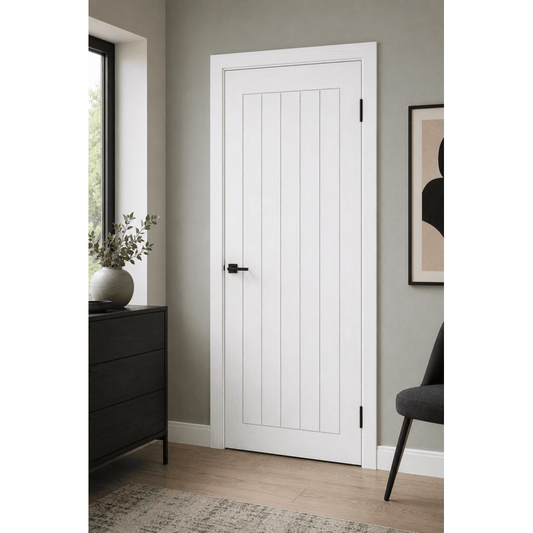
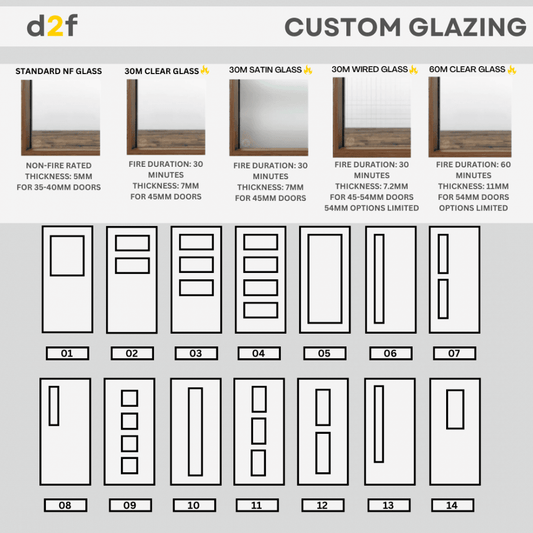
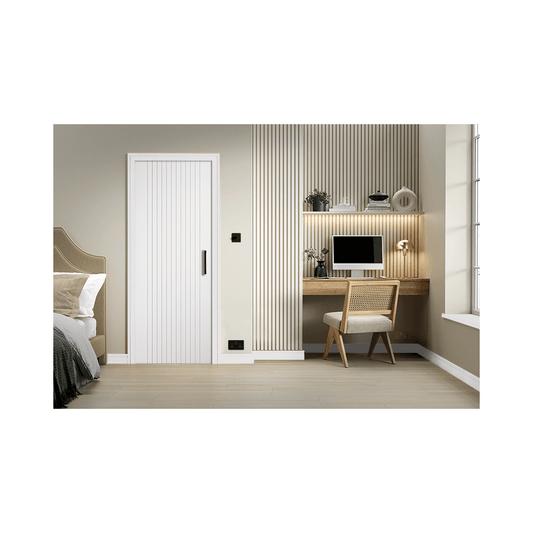
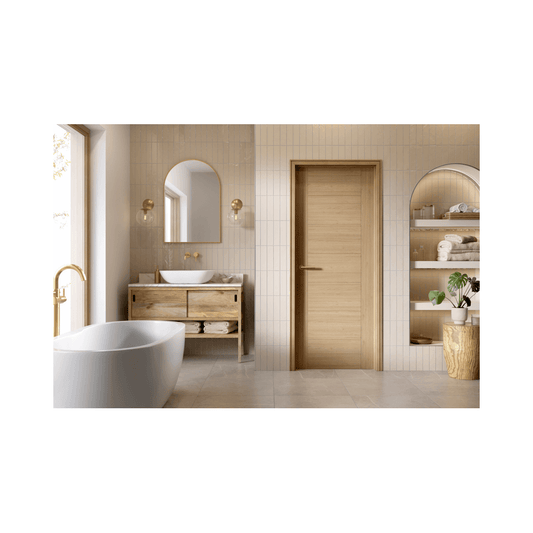
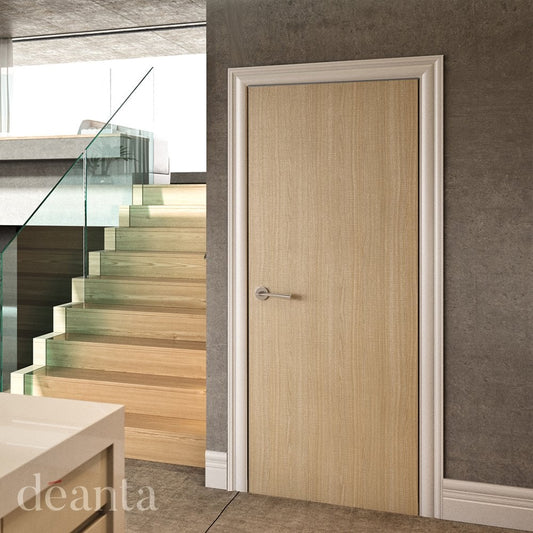
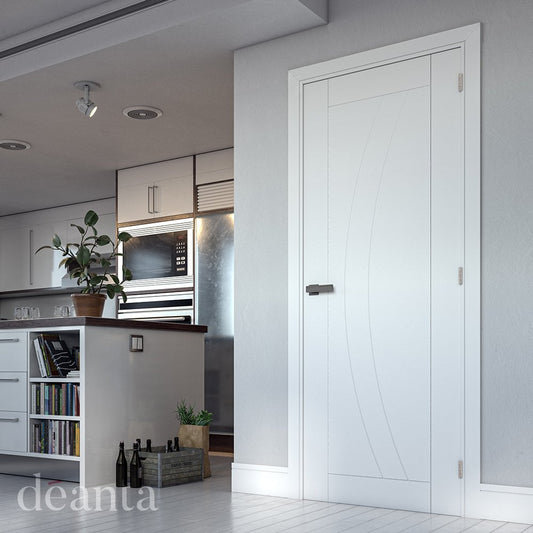
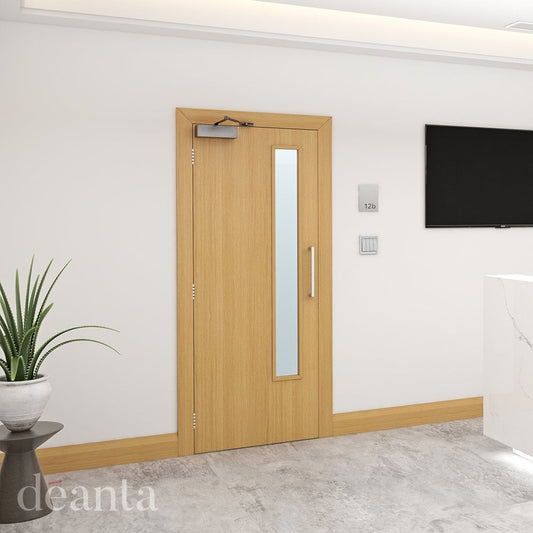
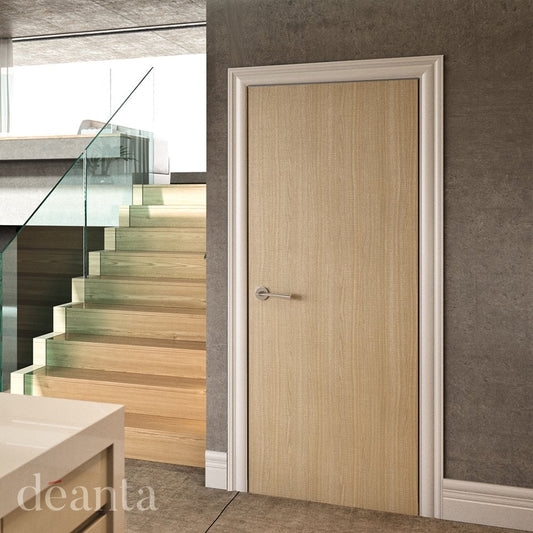
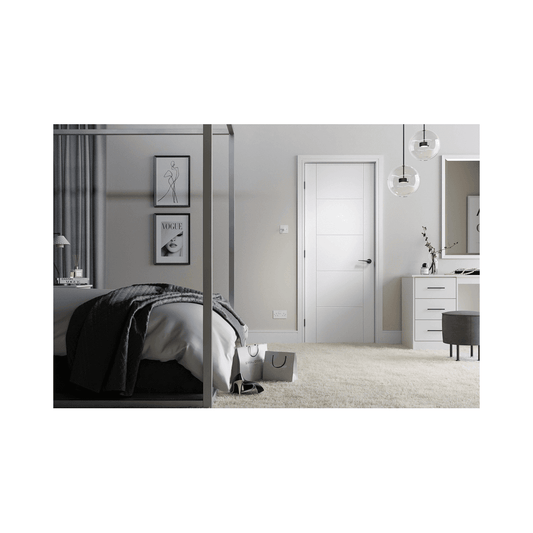
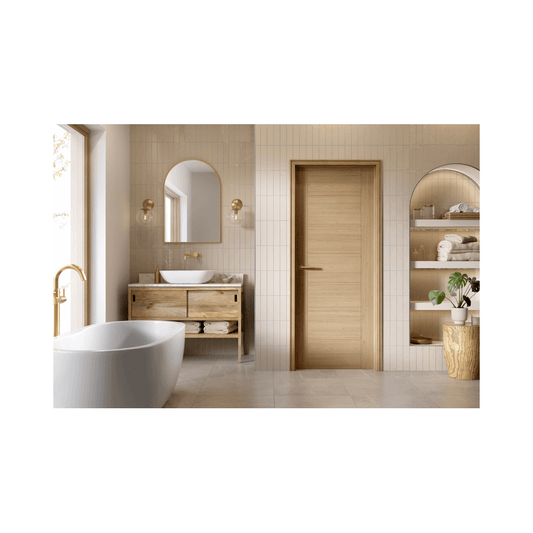
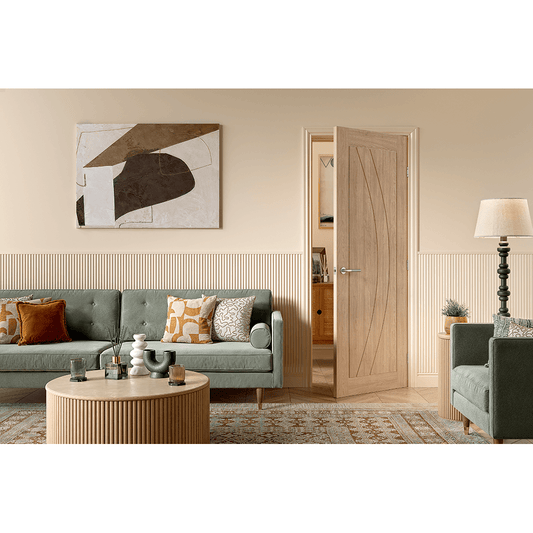
FD30 doors no longer have to look like a fire escape. Oak is the largest group, followed by white primed, black, grey and walnut, and many arrive fully finished so they can be hung and left. Where a vision panel is wanted, fire rated glazing is a tested unit in a tested bead and cannot be substituted or reglazed on site. Browse oak fire doors, white fire doors, black fire doors, grey fire doors, walnut fire doors, internal solid fire doors and internal glazed fire doors. Fire door materials explains what sits behind the veneer.
FD30 or FD60
FD30 covers the overwhelming majority of domestic work. FD60, at 54mm thick, belongs in commercial buildings, larger blocks of flats, and anywhere a fire strategy or building control officer has specified 60 minutes. Fitting FD60 where FD30 is required is not an upgrade worth paying for in a normal house, because the thicker leaf brings heavier hardware and deeper linings with it. FD30 against FD60 compares them, and the range is at FD60 fire doors.
After fitting
An FD30 door has to close fully and latch on its own from any position. A door that sticks, drops or bounces off the latch is not performing. Check the gaps, the seals, the screws and the closer periodically, and never wedge the door open. Stopping a fire door slamming covers controlling closing speed without defeating the closer, and installation information covers fitting.
Common questions
Can I fit an FD30 door in my existing lining?
Usually not. A 35mm lining will not carry a 44mm leaf or house the seals correctly.
Does FD30 mean the door stops smoke?
Not on its own. Smoke control needs the S specification, which adds smoke seals.
Can an FD30 door be painted?
Yes, on the faces with a normal decorative system, keeping paint off the intumescent strips and the certification label.
Do I need a self closer at home?
It depends on the location and the regulations that apply. Garage and flat entrance doors commonly require one.
Is an FD30 door worth fitting where it is not required?
Often. A 44mm solid leaf is noticeably quieter and more solid, which is why some buyers choose them for bedrooms with no obligation to. The full range is at fire doors and internal doors.
Fast delivery
Nationwide delivery, next-day available
Secure payment
Safe and encrypted checkout
Payment options
PayPal, cards and more
VAT included
Only delivery is added at checkout