
Unglazed Doors
-
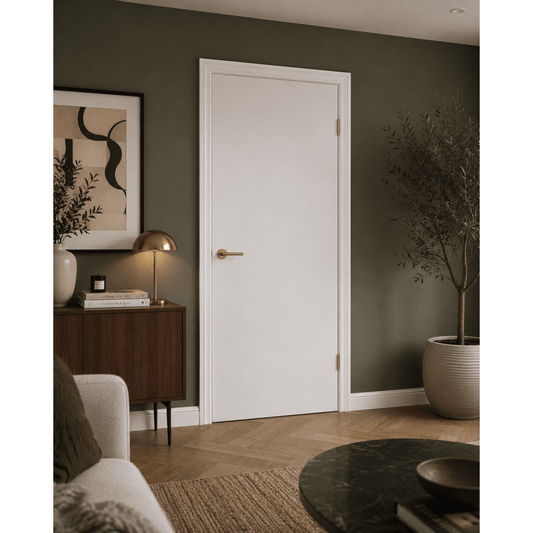
LPD White Primed Flush Internal Door WPFLU
Regular price From £30.84Regular price -
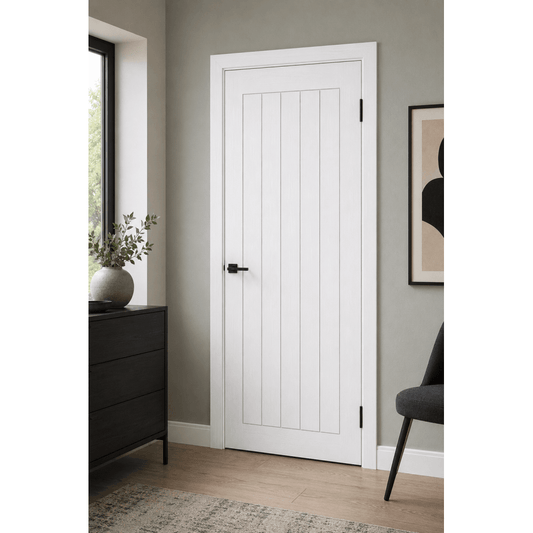
LPD Smooth Cottage White Primed Internal Door SMOCOT
Regular price From £55.99Regular price -
LPD Textured Mayfair White Internal Door MAY4P
Regular price From £61.75Regular price -
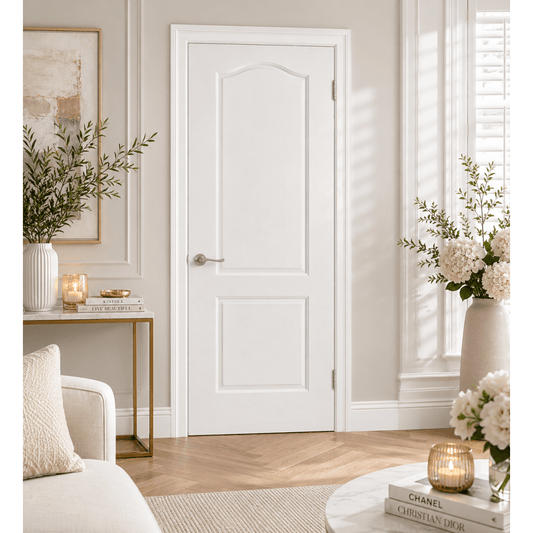
LPD Textured Classical 2 Panel Internal White Door CLA2P
Regular price From £65.85Regular price -
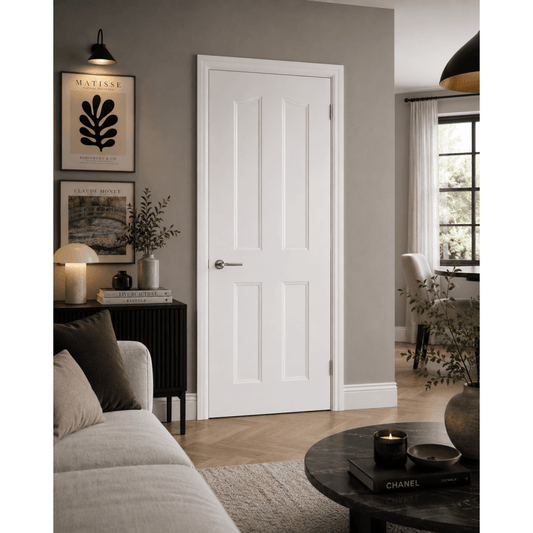
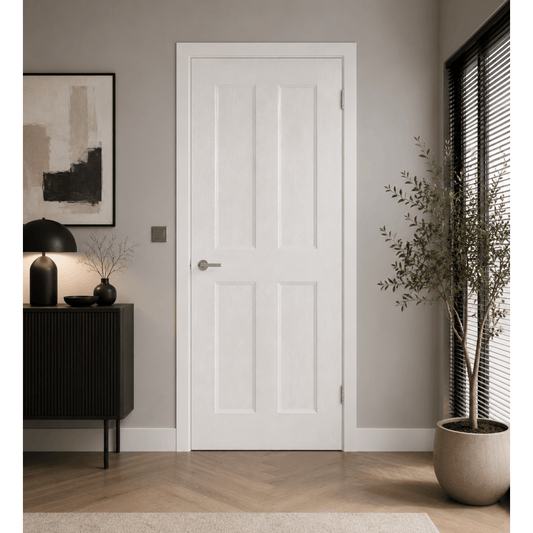
LPD Textured 4 Panel White Internal Door TEX4P
Regular price From £66.00Regular price -
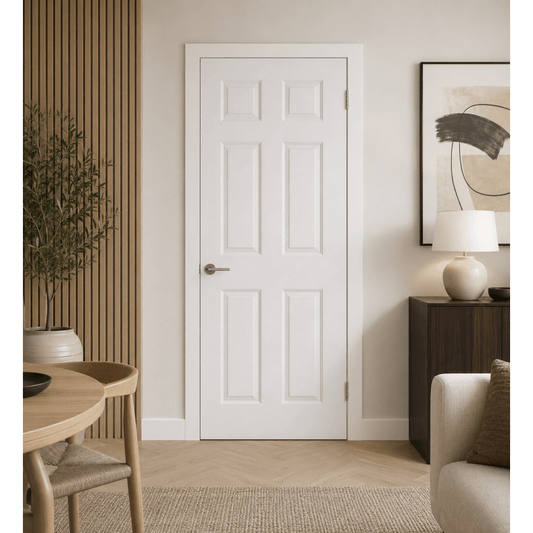
LPD Textured 6 Panel White Internal Door TEX6P
Regular price From £66.75Regular price -
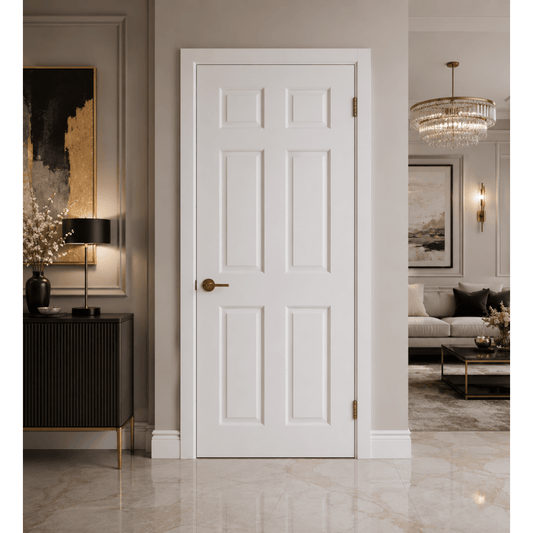
LPD Smooth 6 Panel White Internal Door SMO6P
Regular price £66.75Regular price -
LPD 4 Panel Knotty Internal Door PIN4P
Regular price £69.17Regular price -
LPD 6 Panel Knotty Internal Door PIN6P
Regular price £69.17Regular price -
LPD Ladder Smooth Internal White Primed Door SMOLAD
Regular price From £70.45Regular price -
LPD Ladder White Fully Finished Laminated Internal Door LAMWHILAD
Regular price £73.50Regular price -
LPD Richmond Clear Pine Unglazed Half Internal Door CPRIC
Regular price £73.66Regular price -
LPD Sydney Fully Finished Laminated White Internal Door LAMWHISYD
Regular price £75.00Regular price -
LPD Sydney Light Grey Fully Finished Internal Laminated Door LAMLGRSYD
Regular price £75.00Regular price -
LPD Ladder Light Grey Fully Finished Internal Laminated Door LAMLGRLAD
Regular price £75.00Regular price -
LPD 2 Panel Clear Pine Half Door CP2P
Regular price £75.87Regular price -
LPD 3 Panel Clear Pine Half Internal Door CP3P
Regular price £75.87Regular price -
LPD Sydney Fully Finished Laminated Black Internal Door LAMBLKSYD
Regular price £77.50Regular price -
LPD Textured Vertical 5 Panel Internal White Primed Door TEXV5P
Regular price From £79.35Regular price -
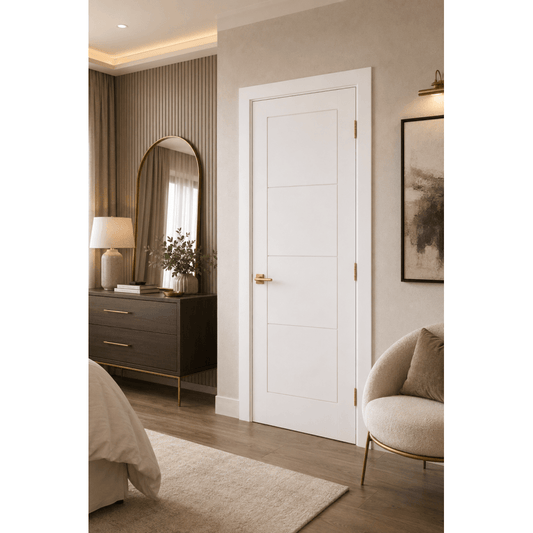
LPD Horizontal Four Line Internal Door SMOHOR
Regular price £79.50Regular price -
Deanta Ely White Primed Internal Door 35ELYWHP
Regular price From £81.75Regular price£100.80Sale price From £81.75Save £19.05
Sale -
Deanta Seville White Primed SEVWHP
Regular price From £81.75Regular price£92.00Sale price From £81.75Save £10.25
Sale -
LPD Berlin Fully Finished White Internal Door SMOBER
Regular price £81.80Regular price -
LPD Vancouver Primed White Internal Door WFVAN
Regular price From £82.50Regular price











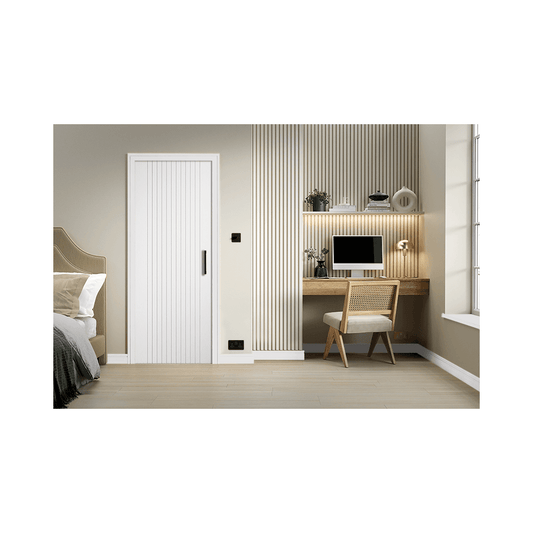


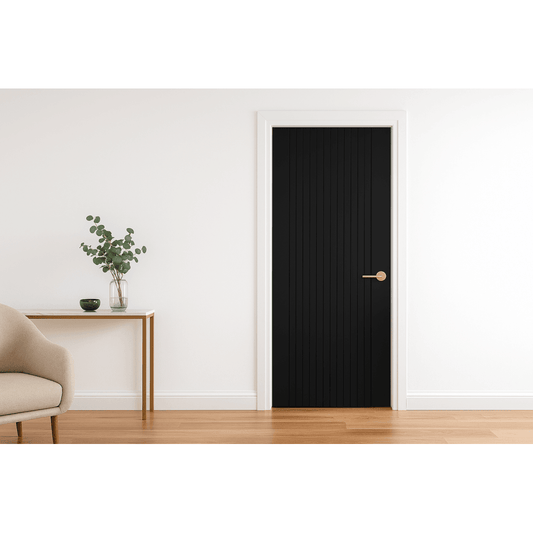

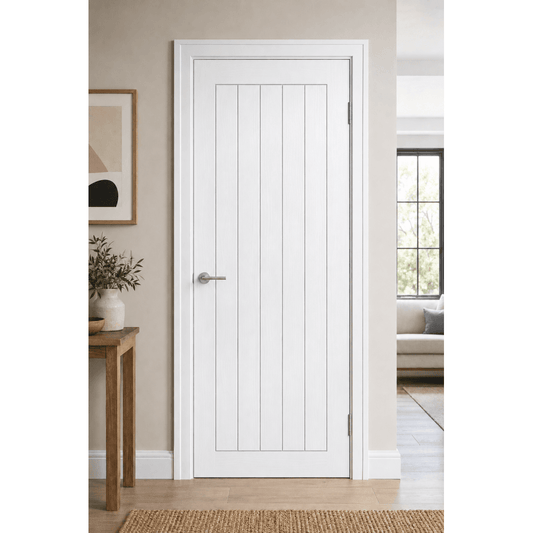

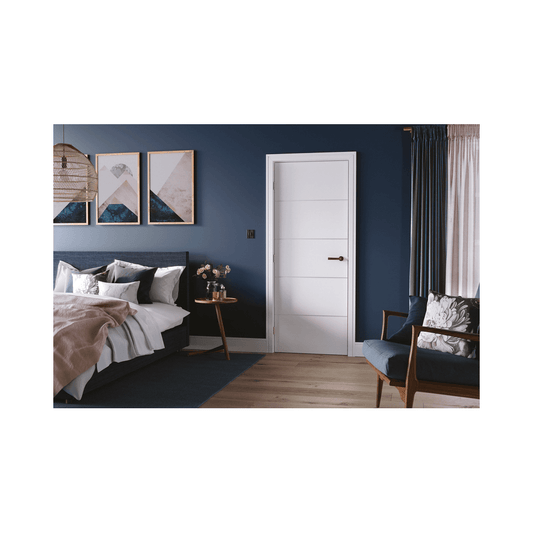

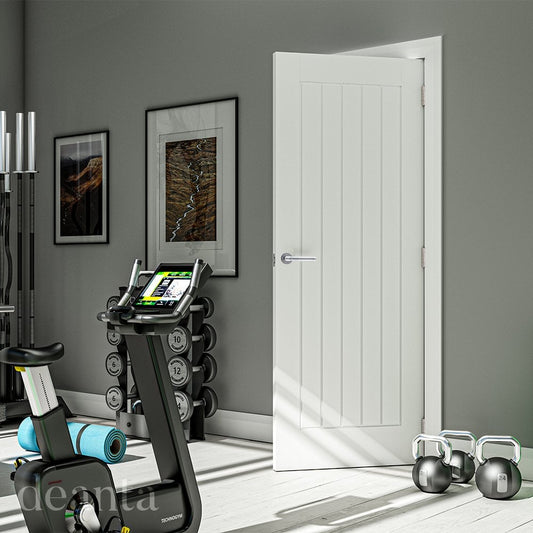

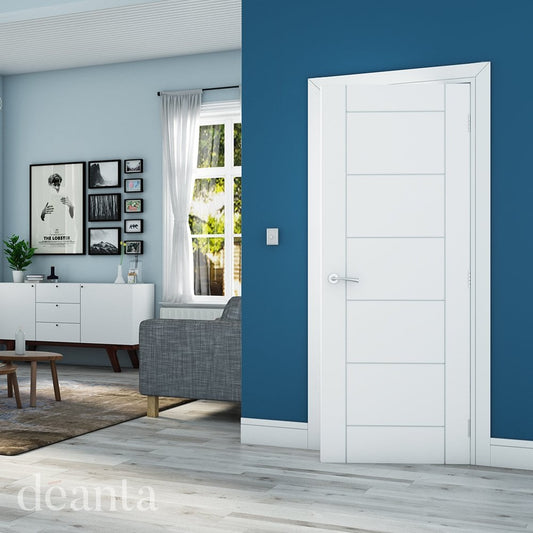


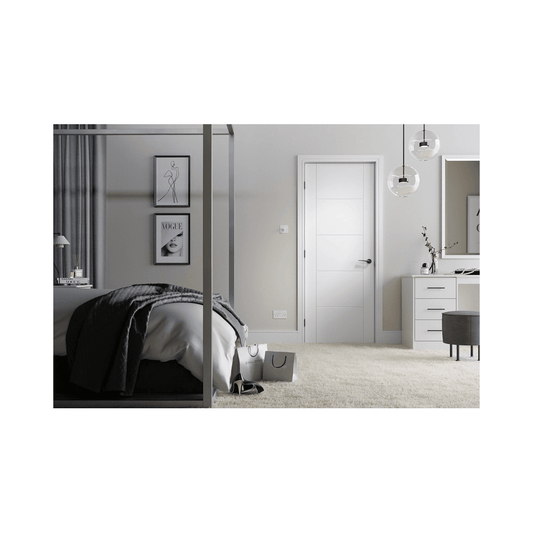
About this range
- From
- £30.84
- Products
- 429
- Materials
- Oak, White primed, Walnut, Ash, Laminate
- Finishes
- Fully finished, Primed, Unfinished, Pre-finished
- Glazing
- Unglazed
- Brands
- LPD, Deanta, Mendes, Doors2Floors
An unglazed door is a solid leaf with no glass in it. That sounds like the absence of a feature, but it is the reason most doors in a house are unglazed: privacy, sound, and a surface that carries a design rather than a pane. This is the largest single group we stock, with 425 unglazed internal doors from LPD, Deanta, Mendes and our own Doors2Floors label, from £30.84 to £901.74.
Where a solid door is the right answer
Bedrooms, bathrooms and cloakrooms need privacy, so they take unglazed doors almost without exception. Studies and home offices need quiet, and glass is the weakest acoustic element in any door. Utility rooms and kitchens benefit from a solid leaf because it contains noise from appliances. Cupboards and stores have nothing to look at. In practice a typical house uses glazed doors on the two or three openings that connect to a bright room, and unglazed doors everywhere else.
What is inside the door matters more than the face
The single biggest difference between a cheap unglazed door and an expensive one is the core, not the veneer. A hollow core door has a lightweight lattice inside and a thin skin. It is light, cheap and sounds like a drum when you knock it. A solid engineered core is filled with a dense particle or timber composite. It is heavier, quieter, holds a lock better and feels substantially different to open.
The practical test is weight. If a door feels light enough to carry easily in one hand, it is hollow. Hollow is acceptable on a cupboard and it is a false economy on a bedroom, because the sound difference is immediately obvious to anyone living with it. Hollow core against solid core internal doors covers the comparison properly, and the guide to internal door materials explains what the cores are made of.
Sound, and the limits of a door
Swapping a hollow door for a solid one is the cheapest meaningful acoustic improvement most people can make to a room. It is also only part of the answer. Sound leaks through the gap at the threshold, so a good fit matters as much as mass. And a solid door does nothing about echo inside the room, which is a separate problem solved by soft surfaces. If a study or media room needs both, pair a solid leaf with acoustic wall panels.
Styles
Without glass, the face of the door has to carry the design, which is why the unglazed range has the widest choice of shapes. Flush doors are completely plain and suit minimal interiors and any room where you want the door to disappear. Four and six panel designs are the traditional British arrangement and the correct shape for a Victorian or Edwardian house. Shaker designs use a simple square framed panel. Cottage doors use plank faces. Grooved and vertically panelled contemporary designs add shadow lines without ornament. See shaker doors, four panel internal doors, six panel internal doors, cottage doors and ladder doors.
Finishes
Unglazed doors are stocked in every finish we carry, and this is where the cheapest doors in the range sit, because a primed flush unglazed door has the least material and the least work in it. That makes this the collection to start in if the goal is changing every door in a house on a budget. Browse internal white primed doors, internal oak doors, internal black doors and internal grey doors, and see the budget internal doors guide for where saving is sensible.
Unglazed fire doors
Most fire doors are unglazed, because glass in a fire door is expensive and only worth it where a vision panel is genuinely needed. A rated leaf is 44mm rather than 35mm thick and works only as a complete assembly with the correct frame, seals and three fire rated hinges. See internal solid fire doors and our fire door guide.
Sizes
Standard unglazed internal doors are 35mm thick. Imperial widths of 686mm and 762mm at 1981mm high cover most rooms, with 610mm and 533mm for cupboards, and metric 2040mm heights in newer housing. Unglazed doors have the most generous trimming allowance in the range because there is no glazing bead near the edge, though the lock block still sets a limit. Check against our door size guide and how to measure a door.
Common questions
Which unglazed door is quietest?
The heaviest one that fits. A 44mm solid fire rated leaf is quieter than a 35mm solid door, which is quieter again than a hollow core.
Can glass be added later?
Not reliably, and never on a fire door. Buy the glazed version from glazed internal doors instead.
Are unglazed doors cheaper?
Usually, for the same design and finish, because there is no glass or glazing bead.
Is a solid door worth the extra on a bedroom?
In almost every case, yes. It is the difference people notice daily and the one they regret saving on.
What else does the order need?
Hinges, a latch or lock and a handle set per door, plus a lining and architrave on a new opening. Plan your doors sets it out, and the full range is at internal doors.
Fast delivery
Nationwide delivery, next-day available
Secure payment
Safe and encrypted checkout
Payment options
PayPal, cards and more
VAT included
Only delivery is added at checkout