
Internal Solid Fire Doors
-
LPD White Primed Flush Internal Fire Door WPFD
Regular price From £87.39Regular price -
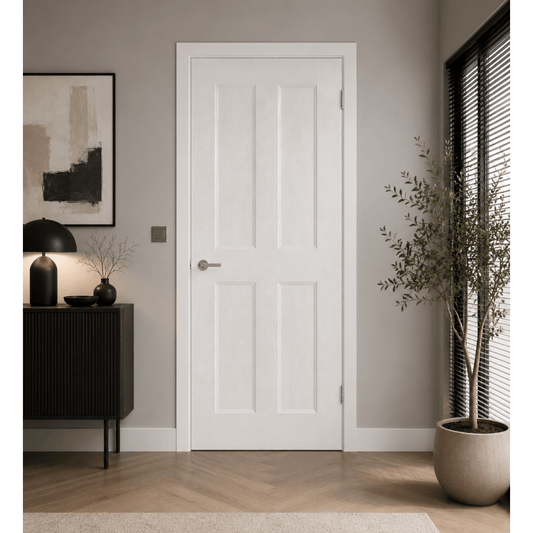
LPD Textured 4 Panel White Internal Fire Door FCTEX4P
Regular price £94.50Regular price -
LPD Smooth Cottage White Primed Internal FD0 Fire Door SMOCOTFC
Regular price £94.50Regular price -
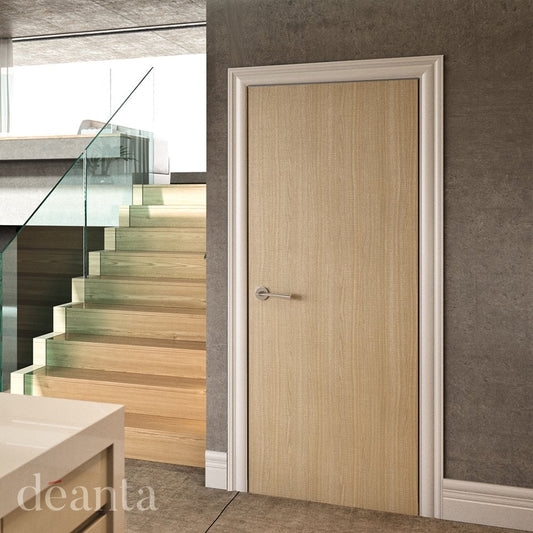
Deanta Flush White Primed Fire Door FD30 45FLFDWH
Regular price From £110.00Regular price£132.00Sale price From £110.00Save £22.00
Sale -
LPD Sydney Light Grey Fully Finished Internal Laminated Fire Door LAMLGRSYDFC
Regular price £118.50Regular price -
LPD Ladder Light Grey Fully Finished Internal Laminated Fire Door LAMLGRLADFC
Regular price £118.50Regular price -
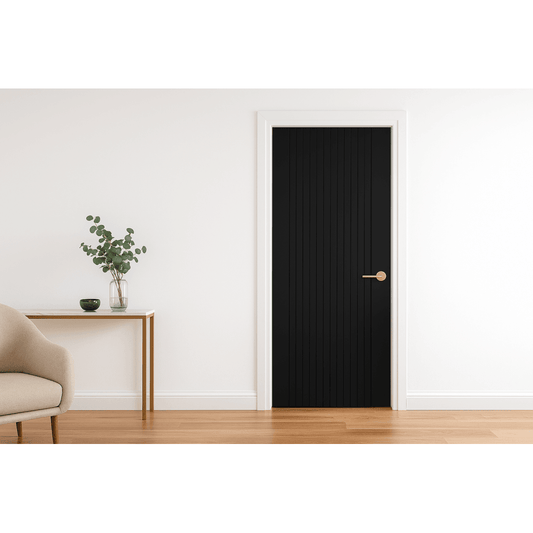
LPD Sydney Fully Finished Laminated Black Internal Fire Door LAMBLKSYDFC
Regular price £123.50Regular price -
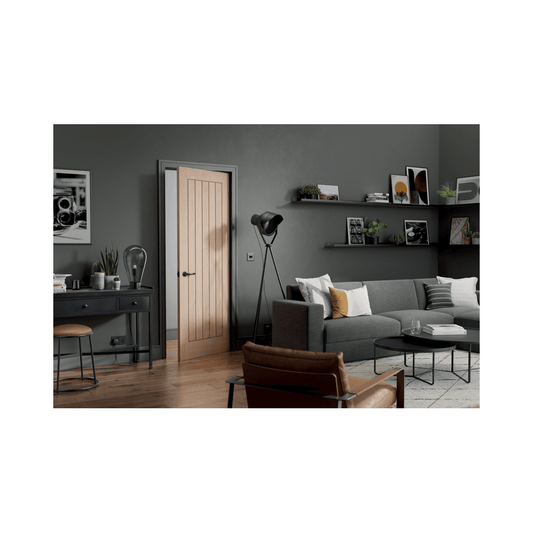
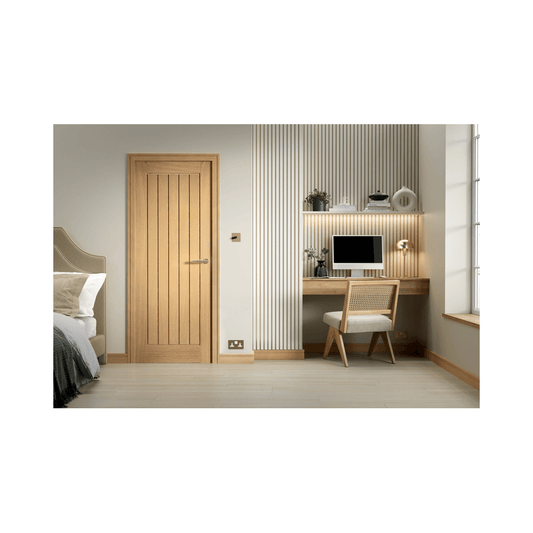
LPD Carini Unfinished Internal Oak Fire Door OCARFC
Regular price From £124.50Regular price -
Deanta Flush Fully Finished Ash 6mm Lipping 35FLASX
Regular price From £125.25Regular price£150.30Sale price From £125.25Save £25.05
Sale -
LPD Oak Flush Fully Finished Internal Fire Door FLUOAKFD
Regular price From £127.60Regular price -
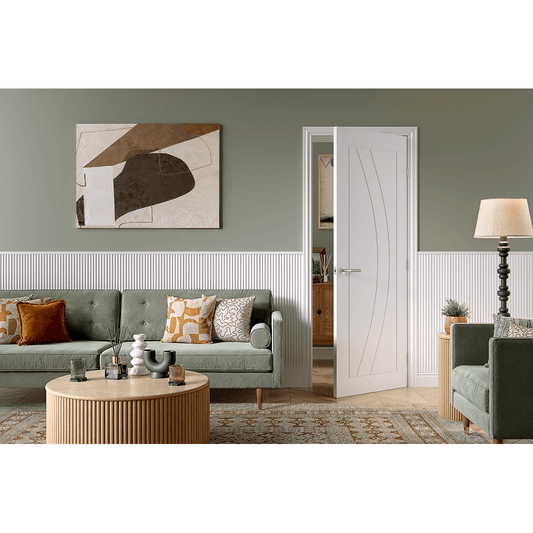
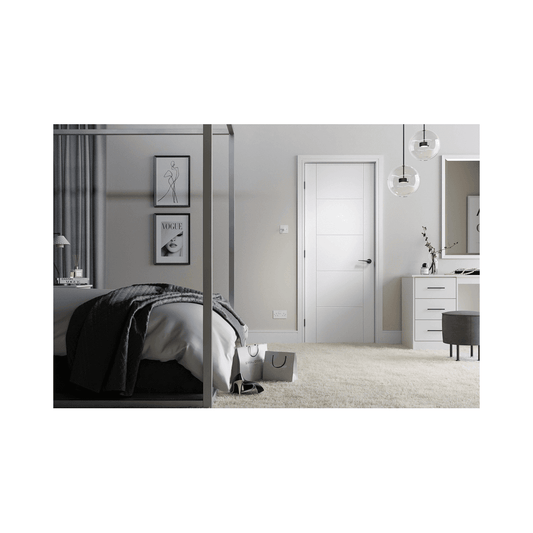
Deanta Ravello White Primed Internal Door 40RAVWHP
Regular price From £130.50Regular price£153.00Sale price From £130.50Save £22.50
Sale -
Deanta Flush Fully Finished Oak FD30 6mm Lipping Fire Door 45FLFDX
Regular price From £134.75Regular price£161.70Sale price From £134.75Save £26.95
Sale -
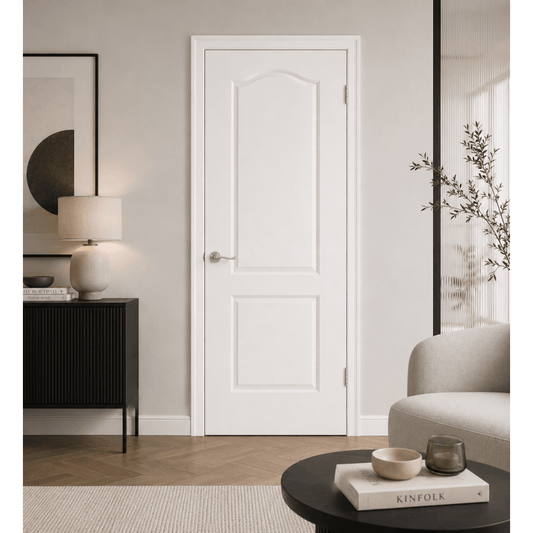
LPD Textured Classical 2 Panel Internal White Fire Door FCCLA2P
Regular price £135.29Regular price -
Mendes Veneer Flush Internal Oak Fully Finished Fire Door DFOAUFD30
Regular price £140.00Regular price£158.50Sale price £140.00Save £18.50
Sale -
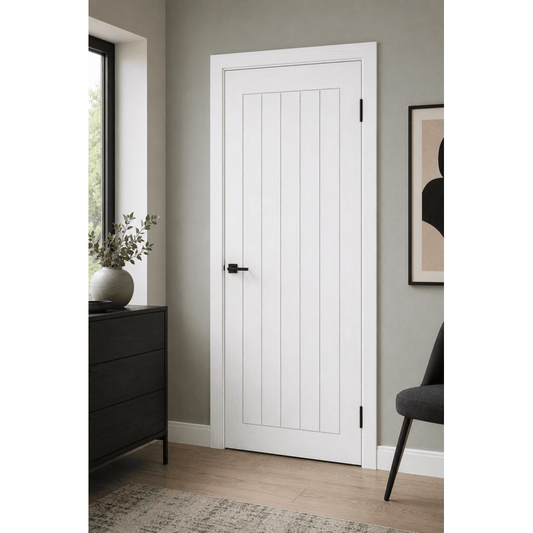
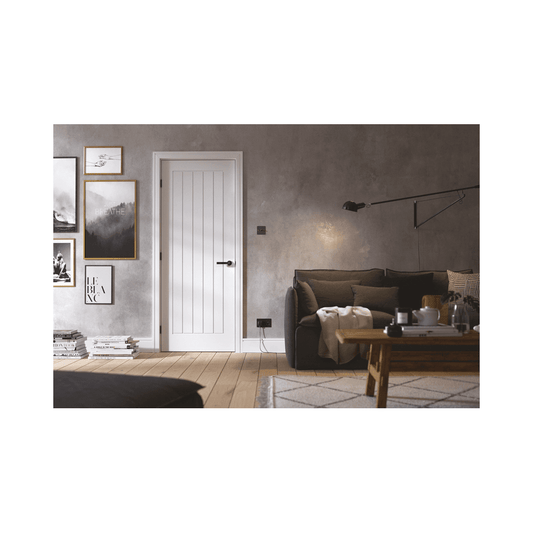
LPD Textured Vertical 5 Panel Internal White Primed Fire Door FCTEXV5P
Regular price From £140.65Regular price -
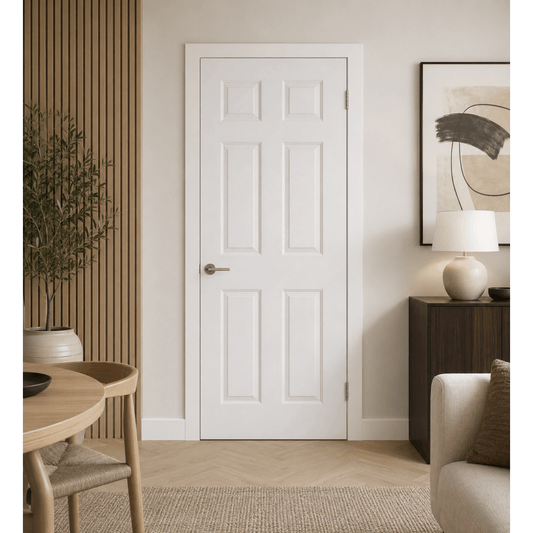
LPD Textured 6 Panel White Internal Fire Door FCTEX6P
Regular price £140.65Regular price -
LPD Smooth 6 Panel White Internal Fire Door FCSMO6P
Regular price £140.80Regular price -
LPD Girona White Primed Internal FD30 Fire Door GIRWPFC
Regular price £141.75Regular price -
LPD Belize Unfinished Internal Oak Fire Door OBELFC
Regular price From £142.50Regular price -
Deanta Flush Fully Finished Ash FD30 6mm Lipping Fire Door 45FLFDAX
Regular price From £147.00Regular price£176.40Sale price From £147.00Save £29.40
Sale -
LPD Mexicano UnFinished Internal Oak Fire Door FCOMEX
Regular price From £147.00Regular price£171.00Sale price From £147.00Save £24.00
Sale -
Mendes Corsica Internal Oak Fully Finished Panelled Fire Door DFOAUCORF
Regular price £147.75Regular price£221.00Sale price £147.75Save £73.25
Sale -
LPD Vancouver Primed White Internal Fire Door WFVANFC
Regular price From £148.50Regular price -
LPD Mexicano Primed White Internal Fire Door WFMEXFC
Regular price From £148.50Regular price






















About this range
- From
- £87.39
- Products
- 194
- Materials
- Oak, White primed, Walnut, Ash, Laminate, Composite
- Finishes
- Fully finished, Primed, Unfinished
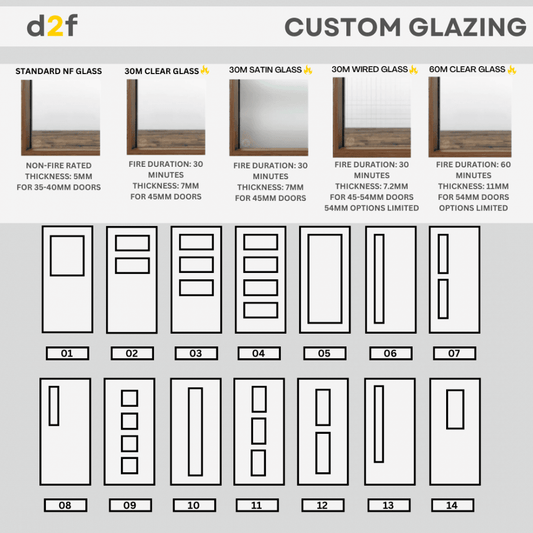
- Glazing
- Unglazed
- Brands
- LPD, Deanta, Mendes, Doors2Floors
A solid internal fire door has an unglazed, high-density core certified to hold back fire and smoke for a set period, normally 30 minutes for FD30 or 60 minutes for FD60. Approved Document B calls for one on integral garage openings, on rooms opening onto the stairway of a three-storey house, and in most flats and commercial premises.
Specifying a solid fire door correctly
Certification belongs to the whole assembly, not just the leaf. You also need intumescent strips and smoke seals, fire rated hinges and, where the door must self-close, a door closer. Never trim a fire door beyond the manufacturer's stated allowance.
Ratings split into FD30 and FD60. Finishes include oak, white, black, grey and walnut, and vision panel versions are in glazed fire doors.
Why a solid leaf matters on a fire door
A fire door works by staying in one piece for the rated period and by keeping the gap between leaf and frame sealed. That is why fire door leaves are solid rather than hollow: a solid core resists burn-through and holds its shape as it heats, and the extra mass is also what makes these doors the best performers in the house for sound. A rated leaf is typically around 44 to 45mm thick against 35mm for a standard internal door, so it is noticeably heavier and needs hinges rated for that weight.
Solid, glazed or rated to FD60
If the doorway needs light as well as a rating, the glazed equivalents are in internal glazed fire doors and glazed fire doors, where the glass is part of the tested assembly. If the doorway needs a longer rating, see FD60 fire doors; the standard domestic rating is covered by FD30 fire doors. FD30 vs FD60 fire doors explains which applies where.
Matching the rest of the landing
Most homes only need rated doors on specific openings, so the aim is usually for the rated doors to look identical to the unrated ones. Because the same ranges are made both ways, that is achievable: compare finishes in oak fire doors, white fire doors, grey fire doors, black fire doors and walnut fire doors, then match the standard doors from internal doors.
The parts that make the rating real
A rated leaf on its own is not a fire door. The doorset needs fire rated hinges, intumescent strips and pads in the leaf or frame, a latch that engages every time, and a door closer where the door must close itself. Trim allowance on a rated leaf is small, so measure before you order rather than planning to cut on site; fire door materials and our fire door guide cover the specification.
Do solid fire doors help with sound?
Yes, more than any other door in a typical house, because mass is what blocks airborne sound. They are often specified between a hallway and a home office for exactly that reason.
Can I plane a fire door to fit?
Only within the manufacturer's stated allowance, which is much smaller than on a standard door, and never through the lipping. If more needs to come off, the leaf is the wrong size.
Does the frame need to be changed too?
The frame or lining has to be able to hold the leaf and the seals. Existing linings are often reused, but they must be sound and deep enough; see door frames vs door linings and internal frames.
Fast delivery
Nationwide delivery, next-day available
Secure payment
Safe and encrypted checkout
Payment options
PayPal, cards and more
VAT included
Only delivery is added at checkout